How to Save Money Without Making Life Miserable
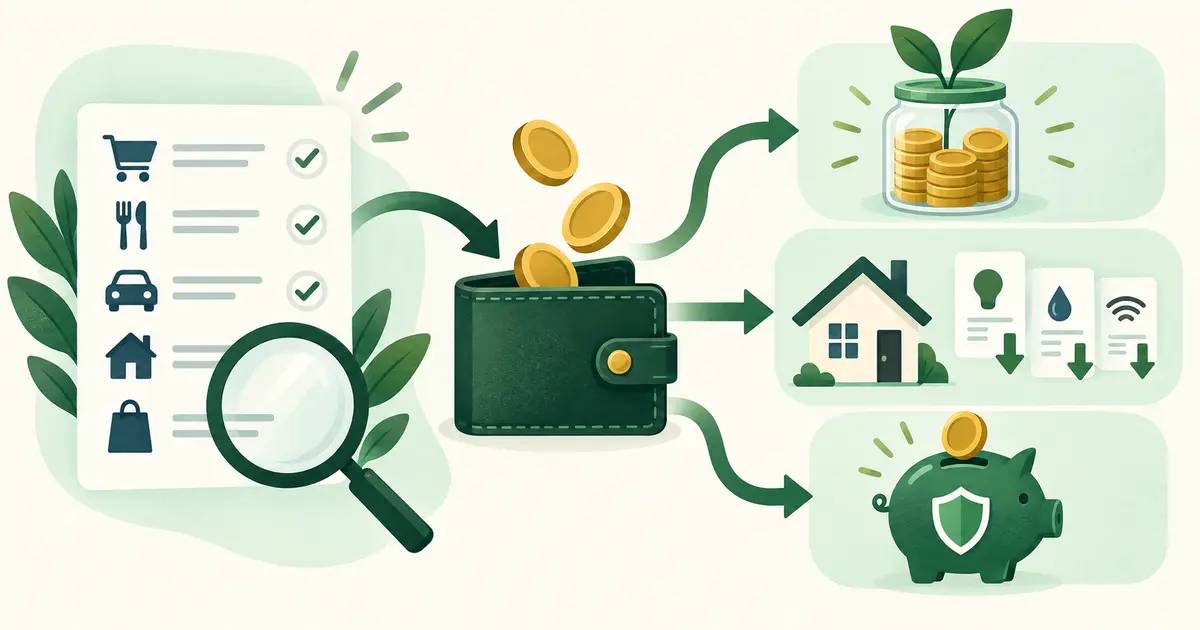
At MoneyBucket, saving money is about gaining more control, not making every day feel like a punishment. Start with the expense causing the most pressure, make one change that keeps paying you back, and send the money toward a goal you care about.
The Consumer Financial Protection Bureau’s emergency fund guide explains how even a small cash reserve can help with unplanned expenses and reduce reliance on credit.
Where Is Your Money Going?
Choose the problem that sounds most familiar. You do not need to rebuild your entire financial life today. You need the next move that gives you the most relief.
Money-Saving Guides
Pick the guide that matches the expense or habit taking the biggest bite from your budget.
Save Money on Groceries
Spend less at the grocery store by planning around food you already have, comparing real unit costs, and cutting waste before cutting quality.
Read the grocery guideStop Paying for Money Leaks
Find forgotten subscriptions, interest charges, memberships, fees, and services that keep collecting money after the value is gone.
Find expenses to cutSave Money With Coupons
Use coupons for things you already planned to buy without letting a discount talk you into a larger purchase.
Use coupons wiselyFind Helpful Money-Saving Apps
Compare apps for tracking spending, finding discounts, earning cash back, planning purchases, and protecting more of your income.
See money-saving appsBuild Frugal Habits That Last
Replace short bursts of painful cost-cutting with repeatable habits that reduce waste and spending month after month.
Build better habitsKnow When DIY Saves Money
Compare the cost, risk, tools, time, and repair difficulty before a do-it-yourself project creates a second bill.
Compare DIY costsBuild an Emergency Fund
Turn the money you save into a cash reserve for car repairs, urgent bills, insurance deductibles, and income loss.
Start your emergency fundCreate a Budget That Fits Real Life
Give your income a clear purpose while leaving enough room for food, fun, changing expenses, and ordinary human behavior.
Visit the budgeting hubFind Cheaper Flights
Compare flexible dates, nearby airports, total trip costs and fare alerts without relying on myths about one perfect booking day.
Use the cheaper-flights guideA Simple Order for Saving Money
You do not need fifty tricks. Work through these four moves and keep the changes that make the biggest difference.
Save Money Based on Your Goal
I need breathing room this month
Start with recurring charges, unnecessary fees, food waste, and bills you may be able to renegotiate.
Find money leaksI want to stop living paycheck to paycheck
Use a spending plan to see what must be paid, what deserves to stay, and what can change.
Get budgeting helpI want protection from emergencies
Build a starter reserve first, then work toward one month and later several months of essential expenses.
Build a cash bufferI have cut everything I reasonably can
When further cuts would damage your quality of life, increasing income may offer more relief than squeezing another dollar from necessities.
Find ways to earn moreSaving Money Frequently Asked Questions
What should I cut first to save money?
Start with repeat expenses you do not value, such as unused subscriptions, memberships, add-ons, convenience fees, and services you rarely use. Then review larger flexible costs such as groceries, dining, insurance, phone service, and transportation.
How can I save money when my budget is already tight?
Look first for billing errors, late fees, overdraft fees, unused charges, food waste, and bills that may be renegotiated. When essential expenses already consume your income, the next step may need to involve earning more, requesting assistance, or reducing a major housing or transportation cost.
What is the fastest way to lower monthly spending?
Canceling or renegotiating a repeat bill can lower spending immediately and continue saving money every month. One canceled $40 charge keeps $480 in your pocket over the next year.
Should I save money or pay off debt first?
Many people benefit from building a small emergency cushion while making required debt payments, then directing extra money toward costly debt. The right balance depends on interest rates, income stability, available savings, and upcoming expenses.
How much money should I save each month?
Choose an amount you can repeat without causing missed bills or overdrafts. A small automatic transfer every payday is more useful than an aggressive target you cannot maintain. Raise the amount when income increases or another expense ends.
Choose One Expense, Not Twenty
Pick the cost creating the most pressure. Make one change. Then move at least part of the money you saved toward an emergency fund, debt payment, or another named goal.
Choose Your Saving GuideMoney Bucket content is for educational purposes and is not financial, tax, investment, credit, or legal advice. Consider qualified professional help for choices tied to your personal circumstances.
Trying to recover money from a charge or missing refund? Use Get My Money Back to build a step-by-step recovery plan and organize the evidence you may need.
Track one unchanged grocery basket: Compare June 2024, 2025, and 2026 prices in our $80 grocery basket check and see which foods moved the total.